Hidden Firmware Backdoor Found in Gigabyte Motherboards
Trill News Briefing
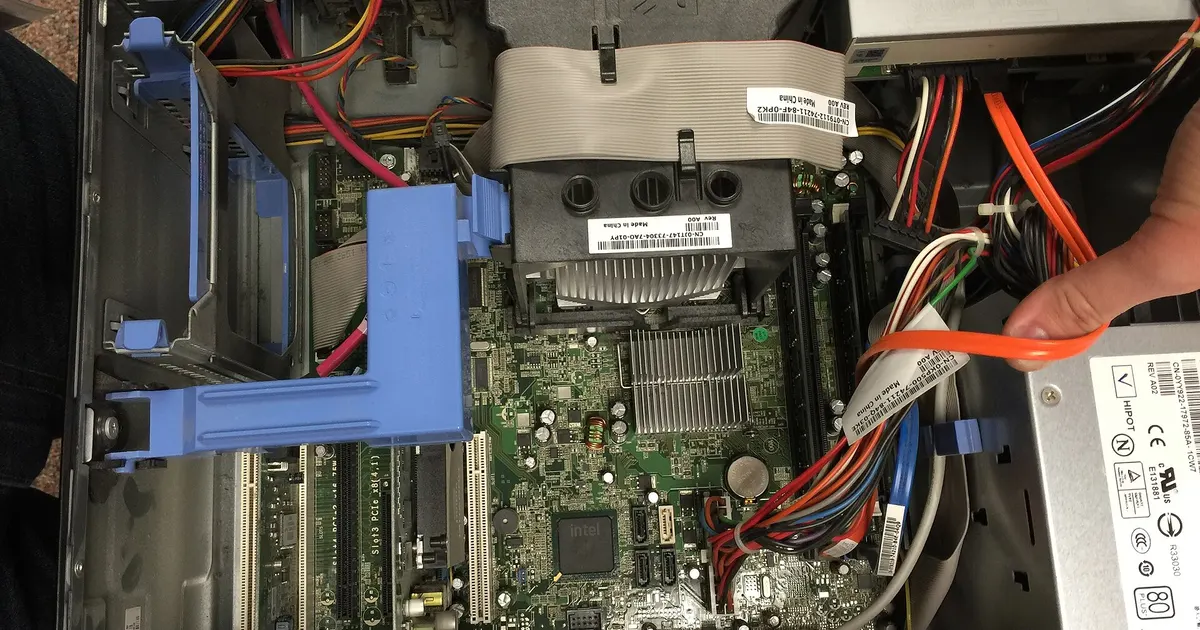
The Story
Firmware security firm Eclypsium disclosed in May 2023 a hidden mechanism in the UEFI firmware of Gigabyte motherboards that effectively functions as a backdoor, affecting roughly 364 system models and an estimated 7 million devices.
The firmware drops a Windows executable to disk during the boot process and runs it as an update service, which then downloads and executes payloads from Gigabyte's update servers over unencrypted HTTP connections.
That insecure design leaves machines open to man in the middle attacks, including interception through compromised routers.
Eclypsium senior vice president John Loucaides noted that only the intention of the author distinguishes this sort of vulnerability from a malicious backdoor.
The mechanism relies on Windows Platform Binary Table, a legitimate UEFI feature that lets vendors install auto update applications, but Gigabyte implemented it without adequate security controls.
Because the code lives in motherboard firmware, malware planted through it can persist even after an operating system reinstall or a full drive wipe.
Gigabyte responded with firmware updates that add signature verification and limit privileged access during boot.
Why It Matters
The Gigabyte backdoor showed how much a PC trusts code that runs before Windows, and that trust is still leaking. A bootkit tracked as BlackX, found by Kaspersky, bypassed Secure Boot on fully patched Windows machines through Baton Drop, a boot manager flaw Microsoft fixed in 2022, Ars Technica reports. Fearing it could leave potentially millions of devices unbootable, Microsoft has not enforced revocation of its Windows Production PCA 2011 certificate, so administrators must take a manual step described in a 2023 support article. Kaspersky believes the attackers counted on few organizations realizing they had to; the infected ones had installed every patch. The gap stays open until Microsoft enforces that revocation or administrators apply it by hand.
Go Deeper
Source: The Hacker News. The reading link is unavailable while we verify free access. Continue with more coverage on Trill News below.
Continue reading
-
Briefing
Claude Code Settings Files Are Leaking Passwords to GitHub
-
Briefing
Windows SignDrop Zero Day Lets Local Users Seize System Rights
-
Briefing
Polymarket Hack Drained Trader Wallets Through a Hijacked DebugBear Monitoring Script
-
Briefing
Hackers Cracked Open a Flock Camera and Found It Watching People Too