Salvador Dalí's Legacy in the Battle Against Fake Art
Trill News Briefing
The Story
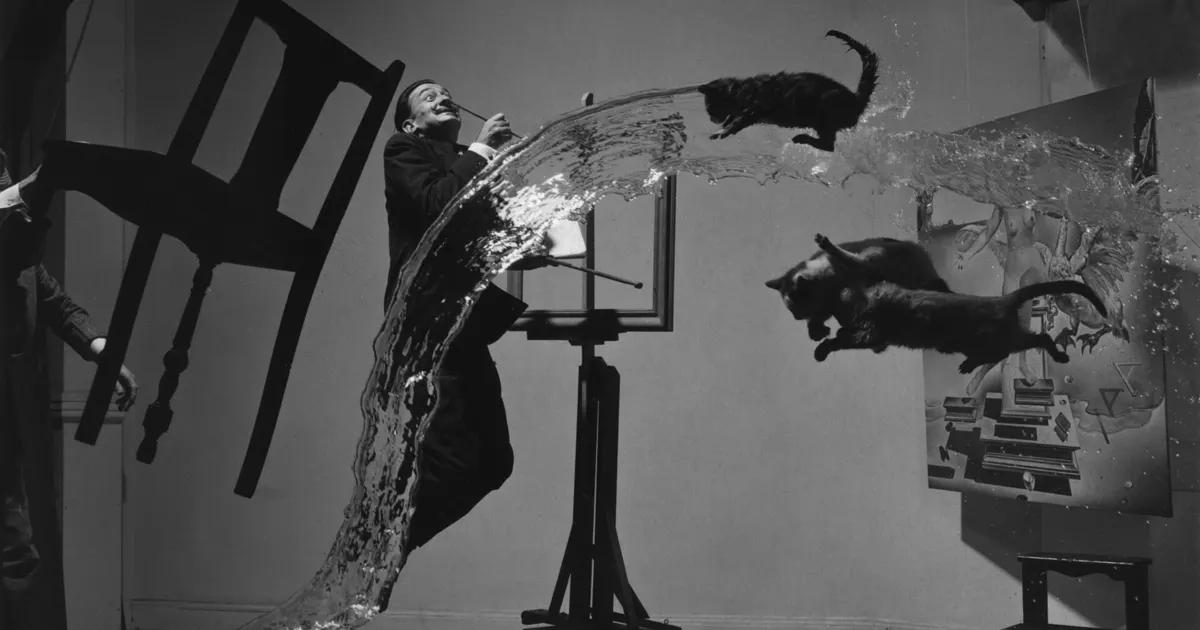
Salvador Dali is widely regarded as the most faked artist in the world, with a market for fake reproductions larger than the one for his real work.
Dali kept prints flowing by signing thousands of blank sheets of paper before he knew what would be printed on them, reportedly at a rate of one every two seconds for an hour.
Fakes flooded the market during a 1980s art investment bubble, and galleries such as Center Art Galleries in Honolulu bought counterfeit prints for about 135 dollars and resold them for 1,000 to 21,000 dollars though their true worth was closer to 25 to 50 dollars.
Federal investigations by the FTC and Postal Inspection Service led to the conviction of gallery owner William Mett for selling roughly 113 million dollars of fake Dali art, and traced 80 to 90 percent of the fakes sold in the United States to authorized publisher Leon Amiel.
A 1991 raid on the Amiel operation, run by his family after his death, seized about 75,000 prints, some 50,000 of them attributed to Dali, and appraiser Bernard Ewell found that more than half of the roughly 58,000 Dali attributed works he examined over four decades were fake.
The deluge left the market for authentic Dali prints depressed at around 4,000 to 6,000 dollars, showing how a famous name can become more commercially valuable, and more exploitable, than the art itself.
Why It Matters
Dalí's own foundation is now drawing the line the 1980s dealers blurred, and it has barely started. Its digital catalog of his graphic work rests on criteria that distinguish an original from a multiple and a reproduction, and it holds back any print whose owner never answered its requests, per the Fundació Gala-Salvador Dalí. The published index lists 27 originals, the latest from 1938 (Fundació Gala-Salvador Dalí). Because that first section stops at 1940, owners of prints sold in the 1980s boom still have no entry to check them against. Meanwhile Madrid's Museo Thyssen is showing The Freudian Universe of Dalí, about 130 works from museums and institutions in Europe and North America, until January 24, 2027 (Museo Thyssen).
Go Deeper
Source: The Hustle. The reading link is unavailable while we verify free access. Continue with more coverage on Trill News below.