Trump's Cheap Beef Plan Revives Europe's Horse Meat Fears
Trill News Briefing
The Story
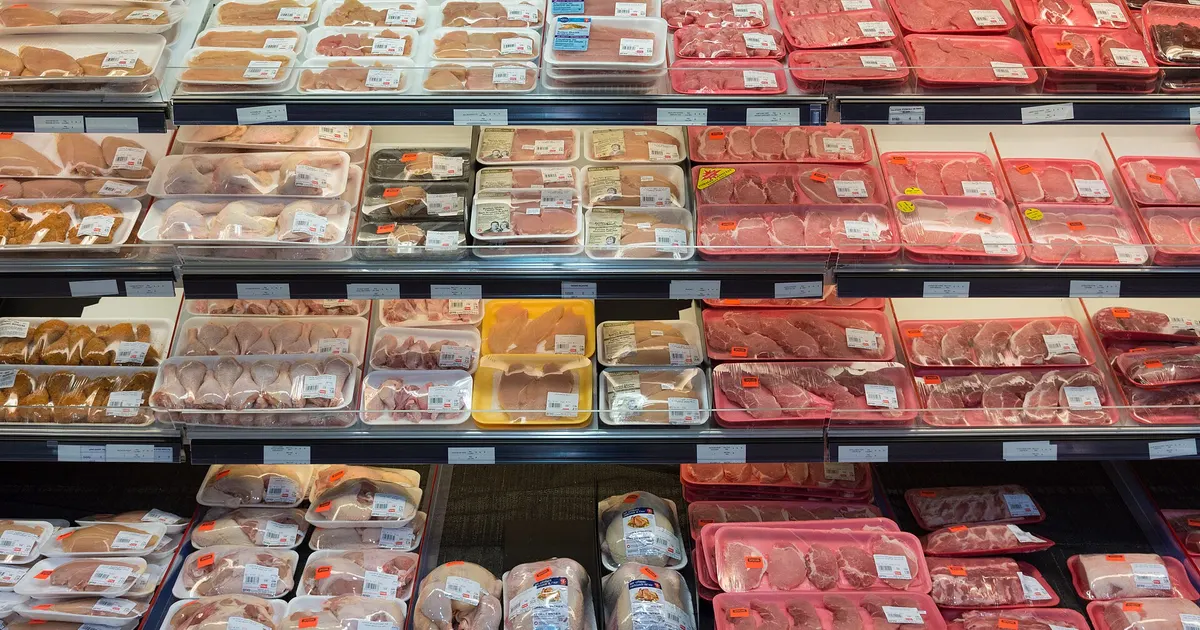
Trump's plan to import 300,000 metric tons of cheap ground beef sparked horse meat rumors after his administration declined to name the source countries.
Agriculture Secretary Brooke Rollins said she was not privy to discuss which countries beyond Mexico would supply the beef, which would enter without the usual out of quota tariff.
The timing collided with reporting that the Bureau of Land Management was selling federally protected wild mustangs for as little as $25 each, with some entering the slaughter pipeline.
No evidence links those horses to American ground beef, but the internet filled the government's blank space with memes, AI images of "Mr. Ed Imported Beef" and mock guides for telling horse from cow.
The fear echoes the 2013 European scandal, when Irish testing found horse DNA in more than a third of frozen beefburger samples and one Tesco burger measured 29% horse.
American shoppers already do detective work on private labels, parent companies and recalls, using tools like the Taylor Detector app to trace supply connections invisible on the package.
The MAHA movement taught people to distrust the institutions that vouch for their food, and that suspicion does not stop at the government that encouraged it.
Why It Matters
The beef plan is now being judged by its receipts, and they are thin. Importers took just shy of 38 percent of the first 100,000 metric ton window, and shoppers saw less than 2 percent in savings after the first 30 days, Sarah Carden of the advocacy group Farm Action told Texas Standard. Ranchers are already paying: her group estimates losses of about $320 a head in the cull market. Carden says preliminary data show the meat reaching packers at a lower price, but somewhere along a supply chain of consolidated packers and retailers, the savings stop short of consumers. The third and final window closes November 30 unless it fills sooner, under the White House proclamation.
Go Deeper
Source: Salon. The reading link is unavailable while we verify free access. Continue with more coverage on Trill News below.
Continue reading
-
Briefing
Could City Run Grocery Stores Change What New Yorkers Expect
-
Briefing
How Cooperatives Could Build a Lasting Peace After War in Syria and Colombia
-
Briefing
Kelly Criterion The Bet Sizing Formula Behind Blackjack and Wall Street
-
Briefing
Private Equity Is Not Why American Childcare Costs So Much