Drought Cut Hydropower and Pushed 2023 Emissions to a Record
Trill News Briefing
The Story
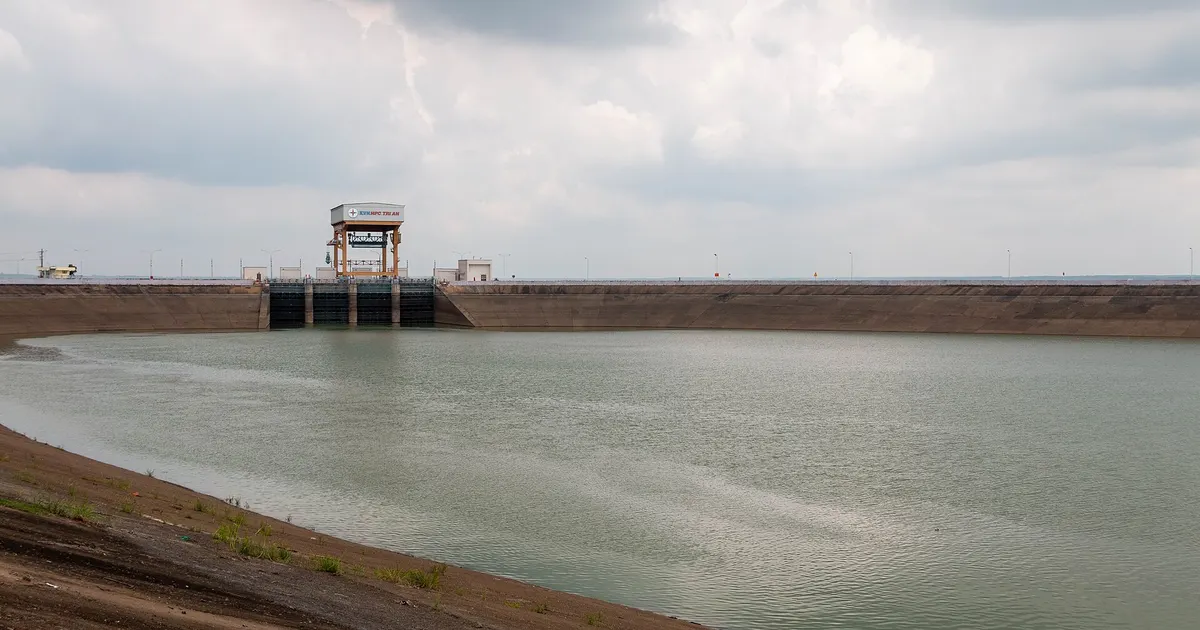
A record drop in hydropower drove 40 percent of the 1.1 percent rise in global energy related emissions in 2023, pushing them to a record, the IEA reports.
Droughts left reservoirs short even though the world added about 20 gigawatts of hydropower capacity that year, so total hydro generation fell.
China was hit hardest, with hydro generation down 4.9 percent, while El Niño brought warmer, drier conditions to North America and Europe improved mostly because 2022 had been worse.
Coal and natural gas plants filled the gap, and the swing in hydropower mattered more for global emissions than the aviation industry's post pandemic growth.
Climate change makes the outlook uneven: one 2021 study found about half of countries with hydropower could see a 20 percent drop in generation once a decade, and a China study found nearly a quarter of its plants could face that consistently under extreme emissions.
Hydropower will not dry up, but grids will need varied power sources linked by wide transmission networks to ride out bad water years.
Why It Matters
Bad water years kept coming after 2023, if not everywhere at once. In 2024 Lake Kariba fell to 13 percent of the storage Zimbabwe and Zambia draw on for electricity, and blackouts and loadshedding followed in most of their cities, The Conversation reports; by May 2026 it had recovered to 42 percent for the first time since 2019. Drier weather helped cut EU hydro output 12 percent in 2025, even as wind and solar edged past fossil fuels to supply 30 percent of EU electricity, Farooq Sher wrote in The Conversation. Grids that bank on rain still pay when it fails, and the next El Niño will test them again.
Go Deeper
Source: MIT Technology Review. The reading link is unavailable while we verify free access. Continue with more coverage on Trill News below.